Imgica AI
Opening text to image.0.0s
Imgica AI
Opening text to image.0.0s
The image studio · Text to image
Type a sentence, get finished images from real frontier models. Five parts do the steering: subject, style, light, lens, mood. Below, one working prompt is taken apart so you can see which word does what.
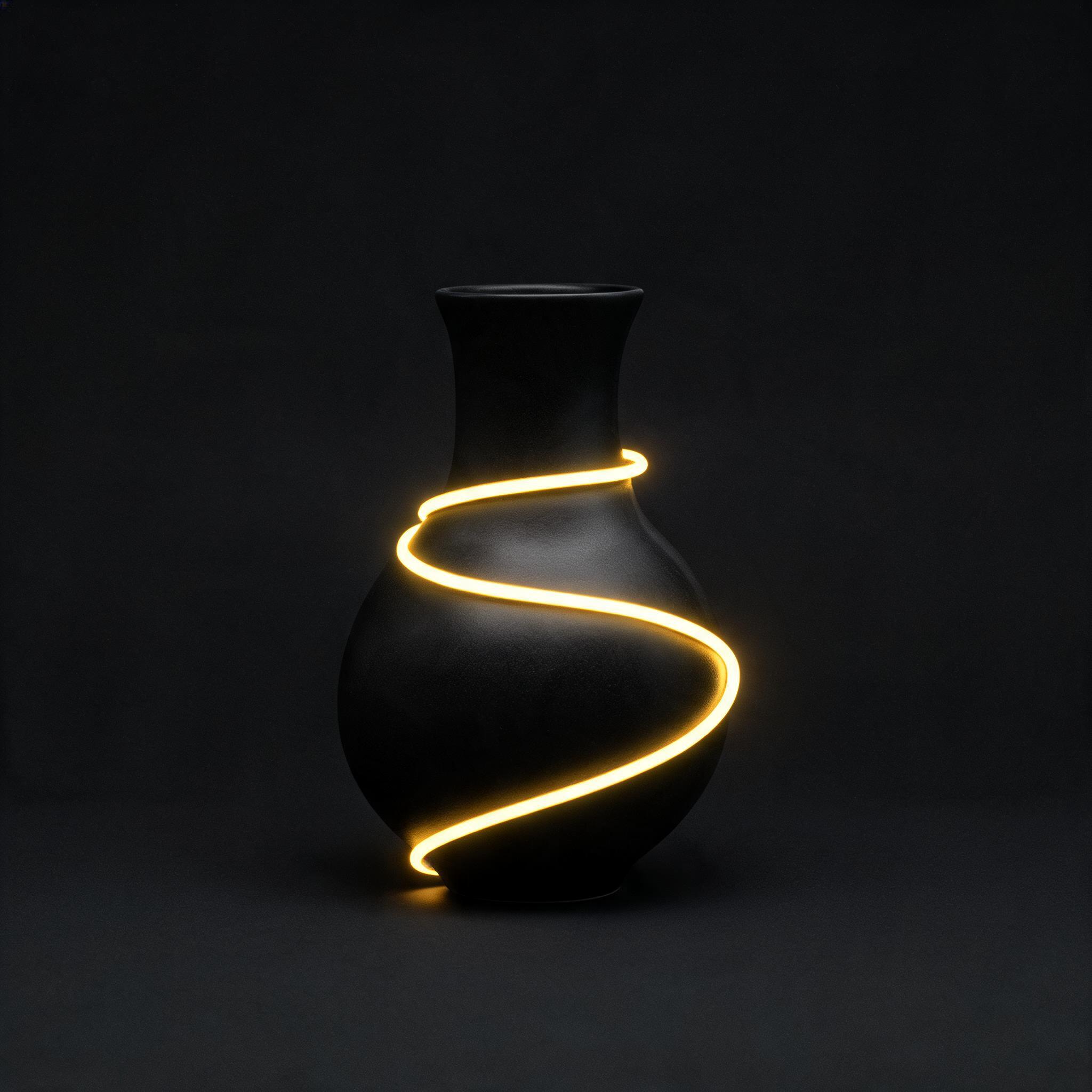 Straight from the image studio
01 · The dissection
Five parts, each doing exactly one job. Walk the sentence and the matching note lights up. This is the whole craft; the rest is practice.
01 · Subject
“a lighthouse keeper's desk”
The concrete noun. The model commits to this first and negotiates every other word around it. Point at a thing, not a theme.
02 · Style
“painted as a 1950s travel poster”
The rendering order. Photograph, poster, ink, blueprint. One style per sentence; two styles fight, and the model settles the argument without you.
03 · Light
“lit by one candle”
Name a source, not an adjective. A candle tells the model where every shadow falls. Moody just asks it to guess.
04 · Lens
“shot close with shallow focus”
Where the camera stands and what it is allowed to blur. Distance is vocabulary too: close, across the street, from a drone.
05 · Mood
“quiet before the storm”
The feeling, in plain words, at the end where it can color everything before it. Tone reads better than stacked adjectives.
02 · The split test
One sentence, sent to two engines with nothing else changed. Both renders are real, straight off the studio pipeline, and both belong to whoever typed the words.
The sentence, sent to both
a lighthouse keeper's desk at dawn, scattered sea maps, brass instruments, one cup of steaming coffee, cinematic morning light
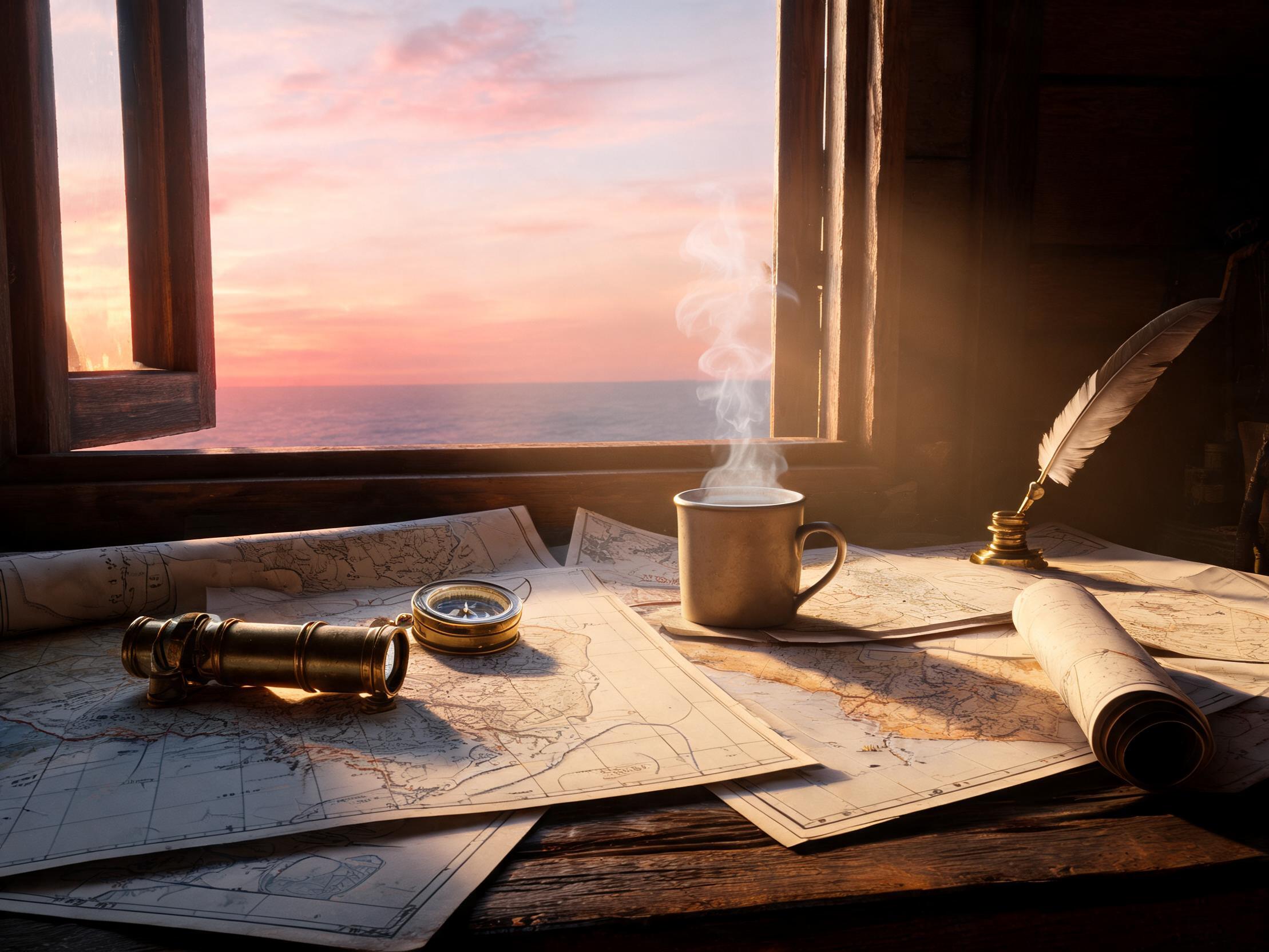 Take A
The morning as it might have happened.
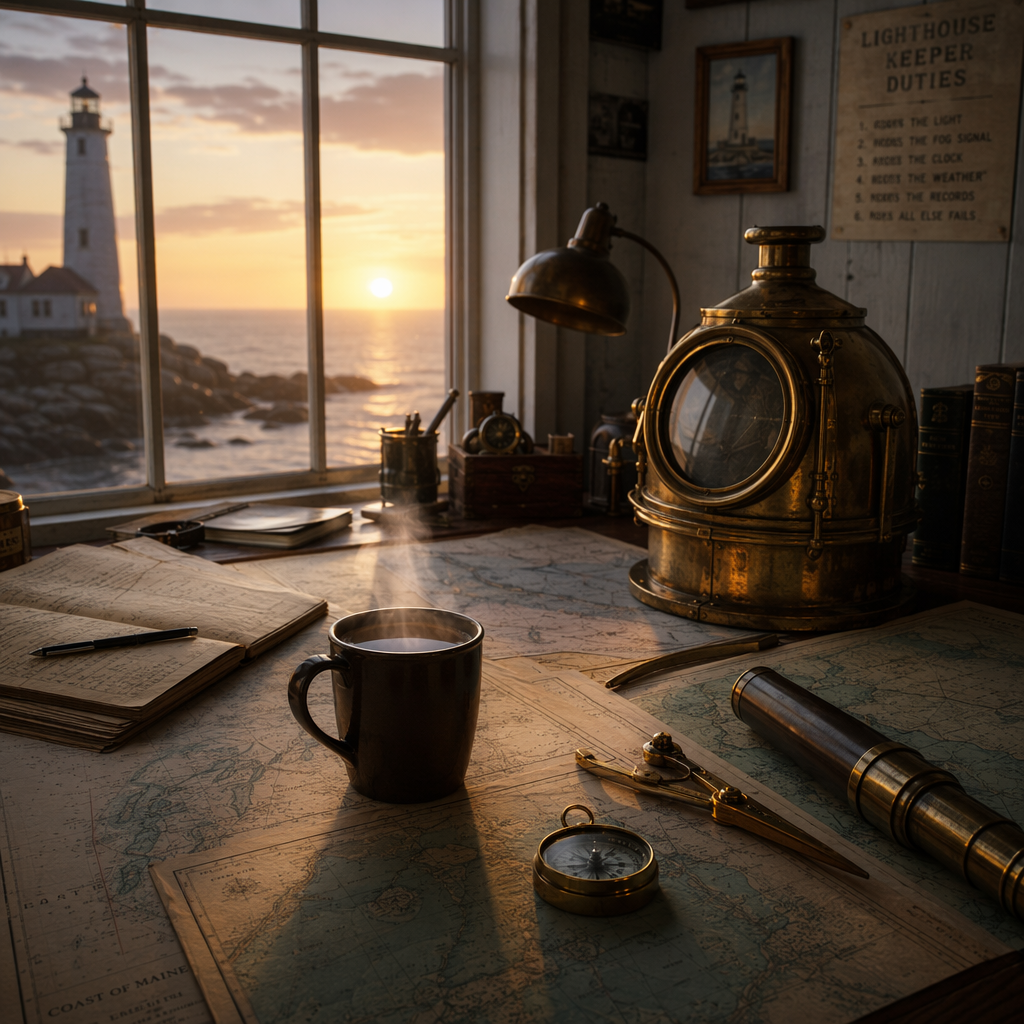 Take B
The morning as it might be staged.
Neither take is the correct one. The same five parts steered both engines, each committed to its own reading, and picking between them costs one click inside the same studio.
Run your own split test free03 · Prompt craft
No secret syntax, no incantations. The models read sentences the way an art director reads a brief: they do exactly what you managed to say.
01
Not beauty, not an aesthetic, not vibes. A desk, a fox, a perfume bottle. Concrete subjects give the model something to commit to; abstractions give it permission to wander.
02
Painted, photographed, blueprinted, pick one. When two styles share a sentence the model averages them, and averages are what forgettable images are made of.
03
Write lit by one candle, not moody lighting. A source places every shadow in the frame. The fastest upgrade to any thin prompt is naming where the light comes from.
04
Shot close, from across the street, from a drone. Where the camera stands changes the story more than most style words do, and it costs you three words to say.
05
A negative prompt is a short list of the usual suspects: watermarks, extra limbs, text where there should be none. Supporting models read it beside your sentence and steer away.
06
Magic prompt takes a thin sentence and hands back a full one, missing parts filled in. Read what it changed. It is the cheapest prompt lesson you will ever take.
04 · The controls
The full order form, printed the way we print bills. Nothing hides behind a settings drawer you have to discover.
Seeds and negative prompts ride on the models that carry them. The studio shows a control only when the model underneath actually reads it.
Up to four takes per run on supporting models, each a different interpretation of the same words. Comparing takes side by side is the fastest way to learn what your words are doing.
Full resolution, and no watermark to remove because none is applied. What leaves the studio is yours to keep and sell.
The order form
05 · The leanings
Leanings, not verdicts. Every model here lives in the same studio and reads the same sentence, so changing your mind costs one click, not another login.
A · Photoreal
When the sentence wants a photograph.
Seedream V5
Seedream V4
Kling Image O1 · V3
Grok Imagine
The camera that was never there.
B · Illustration
Painted, drawn and stylized work.
FLUX 2 Pro · Max · Dev
FLUX 2 Flash · Klein
Qwen Image 2 · Max
Nano Banana 2 · Pro
Ink and paint, on demand.
C · Typography
When words inside the picture must spell correctly.
Recraft V4
GPT Image 2
Posters and labels that read.
06 · The floor
Text to image is the front desk of the art generator. The neighbors handle what happens before and after the render.
Give the model the five parts it actually reads: a concrete subject, a style, the light, the lens and a mood. "A lighthouse keeper's desk, painted as a 1950s travel poster, lit by one candle" beats a paragraph of adjectives. And if you would rather not think about it, one click of magic prompt rewrites a thin sentence with the missing parts filled in.
Yes. Signing up for Imgica gives you free tokens, no card required, and the lighter image models cost very little per run, so those tokens go a long way. When they run out, plans are one time purchases, not subscriptions.
It depends on the sentence. Seedream, Kling Image and Grok Imagine lean photoreal. The FLUX 2 family, Qwen Image and Nano Banana are strong on illustration and stylized work. Recraft V4 and GPT Image 2 are the ones to reach for when the image contains words that must spell correctly. They all live in one studio, so switching is one click.
Up to 4 per run on supporting models, and each one is a different reading of the same sentence. Comparing four takes side by side is the fastest way to learn what your words are actually doing.
On models that support seeds, yes. Keep the prompt and the seed and the same image comes back. The useful trick: keep the seed, change one word, and you can see precisely what that word controls.
A short list of things you do not want: extra limbs, watermarks, text where there should be none. Supporting models read it alongside your main sentence and steer away from whatever you name.
08 · Begin
Free tokens at signup · no card required · everything you make is yours